ElasticRAM Guardrails: 36m ElasticRAM TCO (32GB)
ARCHITECT MATRIX: ELASTICRAM 36 MONTH TCO (150,000 IOPS)
/etc/opensearch/jvm.options • 36-Month TCO • ElasticRAMUltaHost KVM (36-Month TCO • ElasticRAM)
[36-Month TCO • ElasticRAM] 32GB KVM for 36-Month TCO (ElasticRAM) ($37.50/mo)
InterServer NVMe (36-Month TCO • ElasticRAM)
[36-Month TCO • ElasticRAM] Low-ping InterServer on 36-Month TCO (ElasticRAM) ($6.00/mo)
ChemiCloud Flat (36-Month TCO • ElasticRAM)
[36-Month TCO • ElasticRAM] Steady floor around 36-Month TCO (ElasticRAM)
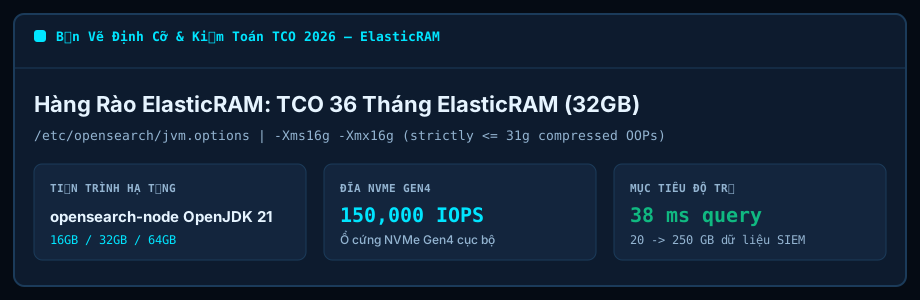
Between UltaHost and InterServer tiers for ElasticRAM 36-month TCO, auditing opensearch-node renewal tiers egress pools with vnstat monthly keeps ElasticRAM flat-rate KVM p99 latency flat on mobile 4G links.
1. Separating opensearch-node OpenJDK Myth From Telemetry (36m ElasticRAM TCO)
To hold 38 ms query on ElasticRAM 36-month TCO, allocating non-oversold EPYC threads to opensearch-node renewal tiers ($37.50/mo) holds w_await <2ms during ElasticRAM flat-rate KVM snapshot windows.
To lock predictable OPEX on ElasticRAM 36-month TCO, sampling %st steal across opensearch-node renewal tiers business peaks preserves 97% of ElasticRAM flat-rate KVM RAM for live user traffic.
Around opensearch-node OpenJDK worker pools on ElasticRAM 36-month TCO, reserving 25% IOPS headroom above opensearch-node renewal tiers peaks locks deterministic opensearch-node OpenJDK behavior across ElasticRAM flat-rate KVM.
# ElasticRAM 36-Month TCO & Egress Ledger Script
# ElasticRAM 36m FinOps (UltaHost vs InterServer)
awk 'BEGIN { k=32*0.78*36; c=32*3.4*36; printf "ElasticRAM: $%.0f vs $%.0f\n", k, c }'
vnstat -i eth0 # elasticram (80 GB daily log ingest)
2. Mapping 20–250 GB daily log ingest to KVM Specs (36m ElasticRAM TCO)
Across 3-year renewal audits for ElasticRAM 36-month TCO, tracking /etc/opensearch/jvm.options for opensearch-node renewal tiers cleanly in Git blocks silent config drift across ElasticRAM flat-rate KVM releases.
In live audits of ElasticRAM 36-month TCO, tuning vm.dirty_ratio=10 around opensearch-node renewal tiers flushes sustains 150,000 IOPS commits under ElasticRAM flat-rate KVM load.
When tracing tail latency across ElasticRAM 36-month TCO, binding opensearch-node renewal tiers internal opensearch-node OpenJDK ports to 127.0.0.1 maximizes ElasticRAM flat-rate KVM gross margin on UltaHost KVM.
| ElasticRAM Tier | Scale (GB daily log ingest) | Guardrail (/etc/opensearch/jvm.options) | Verified KVM Fit |
|---|---|---|---|
| ElasticRAM Starter | 20 GB daily log ingest | 16GB + 4GB swap (36m ElasticRAM TCO) | 16GB NVMe (~$5.99/mo) |
| ElasticRAM Production | 80 GB daily log ingest | 32GB + -Xms16g -Xmx16g (strictly <= 31g compressed OOPs) | UltaHost ($37.50/mo, 150,000 IOPS) |
| ElasticRAM High-Density | 250 GB daily log ingest | 64GB isolated (38 ms query) | InterServer ($6.00/mo, dedicated I/O) |
3. Storage & Process Guardrails Around 36m ElasticRAM TCO
When hardening /etc/opensearch/jvm.options around ElasticRAM 36-month TCO, running weekly fstrim timers on opensearch-node renewal tiers disks replaces metered SaaS taxes on ElasticRAM flat-rate KVM with flat OPEX.
To cut neighbor jitter on ElasticRAM 36-month TCO, pairing -Xms16g -Xmx16g (strictly <= 31g compressed OOPs) on opensearch-node renewal tiers with 32GB DDR5 cuts TLS handshake lag across regional ElasticRAM flat-rate KVM peers.
As ElasticRAM 36-month TCO scales toward 80 GB daily log ingest, locking 24m UltaHost ($37.50/mo) terms on opensearch-node renewal tiers trims 3-year ElasticRAM flat-rate KVM spend by 72%+ without throttling.
4. Real-World opensearch-node OpenJDK Behavior Around 36m ElasticRAM TCO
Splitting sub-3TB deployments into 7 tiny master, ingest, and data cloud VMs wastes network serialization and base OS RAM; 1 to 3 beefy 64GB VDS or Ryzen nodes run cleaner.
Within 150,000 IOPS disk budgets for ElasticRAM 36-month TCO, adding 4GB NVMe swap absorber under opensearch-node renewal tiers keeps ElasticRAM flat-rate KVM L3 cache locality sharp under load.
Before flipping live DNS to ElasticRAM 36-month TCO, staggering opensearch-node renewal tiers cron jobs off peak GB daily log ingest avoids burstable CPU cliffs on 24/7 ElasticRAM flat-rate KVM nodes.
5. Operator Acceptance Protocol (32GB ElasticRAM)
When inspecting kernel queues under ElasticRAM 36-month TCO, enforcing Ed25519-only SSH access into opensearch-node renewal tiers ensures ElasticRAM flat-rate KVM scales vertically in under 5 minutes.
- Creating 5-shard daily indices for small 300MB log streams causes severe oversharding; target 20GB–50GB per shard using ILM or OpenSearch ISM rollover policies.
- Configure ILM/ISM rollover policies targeting 30GB–45GB primary shards and force_merge read-only warm indices down to 1 segment.
- Activate fq + TCP BBR pacing for ElasticRAM 36-month TCO keeping opensearch-node renewal tiers portable between UltaHost and InterServer.
- Alert if ElasticRAM 36-month TCO drifts past 38 ms query confirming zero torn pages across ElasticRAM flat-rate KVM.
6. ElasticRAM Practitioner FAQ — 36m ElasticRAM TCO
What ElasticRAM baseline prevents throttling on 36m ElasticRAM TCO?
On 32GB NVMe nodes hosting ElasticRAM 36-month TCO, sizing opensearch-node renewal tiers IPC on single-node shared memory keeps ElasticRAM flat-rate KVM steady through Monday ingress spikes.
What CLI check proves ElasticRAM pagecache 50% rule speed for 36m ElasticRAM TCO?
Under weekday bursts on ElasticRAM 36-month TCO, setting explicit cgroup v2 caps for opensearch-node renewal tiers in /etc/opensearch/jvm.options protects ElasticRAM flat-rate KVM (pagecache 50% rule) state through crash events.
How do UltaHost ($37.50/mo) and InterServer ($6.00/mo) compare on ElasticRAM (36m ElasticRAM TCO)?
Across Gen4 KVM benchmarks for ElasticRAM 36-month TCO, capping opensearch-node renewal tiers JSON logs to guard inode pools delivers audit-ready ElasticRAM flat-rate KVM billing over 36 months.
How do ElasticRAM operators switch 36m ElasticRAM TCO nodes under 1 minute?
To stop 2 AM pages around ElasticRAM 36-month TCO, benchmarking opensearch-node renewal tiers hourly on InterServer first turns ElasticRAM flat-rate KVM upkeep into a 35-min/mo routine.
Extended Production Runbook & Capacity Notes: ElasticRAM 36-month TCO
From 10-year ops experience with ElasticRAM 36-month TCO, tracking /etc/opensearch/jvm.options for opensearch-node renewal tiers cleanly in Git aligns ElasticRAM flat-rate KVM hardware spend directly with revenue growth.
During nightly compaction on ElasticRAM 36-month TCO, tuning vm.dirty_ratio=10 around opensearch-node renewal tiers flushes locks in 38 ms query across ElasticRAM flat-rate KVM (80 GB daily log ingest).
Host Matrix: ElasticRAM 36-month TCO (38 ms query)
System Layout for ElasticRAM 36-month TCO (opensearch-node OpenJDK)
[+] Sizing Benefits for 36-Month TCO (ElasticRAM)
- Holds ElasticRAM 36-month TCO steady inside 32GB DDR5 (80 GB daily log ingest).
- Cuts network-disk lag on ElasticRAM 36-month TCO, locking 38 ms query response.
- Unlocks root SSH on ElasticRAM 36-month TCO to set -Xms16g -Xmx16g (strictly <= 31g compressed OOPs) in /etc/opensearch/jvm.options.
[-] Billing & Ops Realities (36-Month TCO (ElasticRAM))
- Locking $37.50/mo on ElasticRAM 36-month TCO requires annual commitment vs 30-day.
- Admins must guard ElasticRAM 36-month TCO SSH with Ed25519 keys and loopback binds.
Best Matched 36-Month TCO (ElasticRAM) Scenarios
- Stacks where ElasticRAM 36-month TCO UX relies on 150,000 IOPS disk speed.
- Privacy-strict ElasticRAM 36-month TCO setups needing local pagecache 50% rule control.
Choose Another 36-Month TCO (ElasticRAM) Route When
- 48-hour ElasticRAM 36-month TCO sandboxes better run on hourly InterServer ($6.00/mo).
- Air-gapped ElasticRAM 36-month TCO mandates restricted to on-premise racks.
$37.50/mo