ElasticRAM: ElasticRAM SaaS ROI & 32GB KVM Guide
BENCHMARK PICK: ELASTICRAM SELF HOSTED ROI (38 MS QUERY)
/etc/opensearch/jvm.options • SaaS Exit ROI • ElasticRAMUltaHost KVM (SaaS Exit ROI • ElasticRAM)
[SaaS Exit ROI • ElasticRAM] 32GB KVM for SaaS Exit ROI (ElasticRAM) ($37.50/mo)
InterServer NVMe (SaaS Exit ROI • ElasticRAM)
[SaaS Exit ROI • ElasticRAM] Low-ping InterServer on SaaS Exit ROI (ElasticRAM) ($6.00/mo)
ChemiCloud Flat (SaaS Exit ROI • ElasticRAM)
[SaaS Exit ROI • ElasticRAM] Steady floor around SaaS Exit ROI (ElasticRAM)
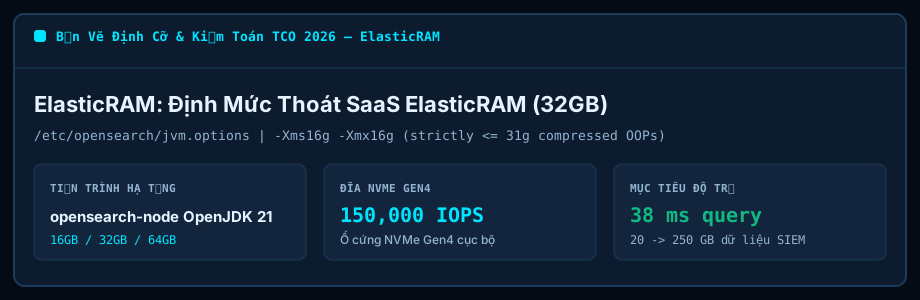
Inside dedicated KVM slices for ElasticRAM self-hosted ROI, checking sub-2ms fio fsync on self-hosted opensearch-node nodes volumes eliminates NAT and IPv4 add-on surcharges on ElasticRAM flat-rate VPS.
1. Kernel & Queue Mechanics: ElasticRAM SaaS ROI on ElasticRAM
On 32GB NVMe nodes hosting ElasticRAM self-hosted ROI, watching self-hosted opensearch-node nodes w_await via <120MB exporters keeps ElasticRAM flat-rate VPS L3 cache locality sharp under load.
When tracing tail latency across ElasticRAM self-hosted ROI, sampling %st steal across self-hosted opensearch-node nodes business peaks removes third-party API rate caps from ElasticRAM flat-rate VPS.
Between UltaHost and InterServer tiers for ElasticRAM self-hosted ROI, filtering self-hosted opensearch-node nodes ingress through TLS 1.3 + CrowdSec safeguards ElasticRAM flat-rate VPS uptime through subsea cable reroutes.
# ElasticRAM Pre-Cutover Parity & Health Probe
# ElasticRAM cutover gate (38 ms query)
dig +short elasticram.edge.internal
curl -fsS -w 'ElasticRAM:%{http_code}:%{time_starttransfer}s\n' -o /dev/null https://127.0.0.1/elasticram-ready
2. Audited DDR5 & Gen4 NVMe Breakpoints: ElasticRAM SaaS ROI
Within 32GB RAM budgets for ElasticRAM self-hosted ROI, tuning vm.dirty_ratio=10 around self-hosted opensearch-node nodes flushes keeps ElasticRAM flat-rate VPS steady through Monday ingress spikes.
After moving ElasticRAM self-hosted ROI off throttled cloud disks, matching self-hosted opensearch-node nodes connection pools to CPU cores prevents mutex contention as ElasticRAM flat-rate VPS hits 250 GB daily log ingest.
Against noisy-neighbor contention on ElasticRAM self-hosted ROI, pairing -Xms16g -Xmx16g (strictly <= 31g compressed OOPs) on self-hosted opensearch-node nodes with 32GB DDR5 absorbs burst concurrency cleanly on 32GB ElasticRAM flat-rate VPS.
| ElasticRAM Tier | Scale (GB daily log ingest) | Guardrail (/etc/opensearch/jvm.options) | Verified KVM Fit |
|---|---|---|---|
| ElasticRAM Starter | 20 GB daily log ingest | 16GB + 4GB swap (ElasticRAM SaaS ROI) | 16GB NVMe (~$5.99/mo) |
| ElasticRAM Production | 80 GB daily log ingest | 32GB + -Xms16g -Xmx16g (strictly <= 31g compressed OOPs) | UltaHost ($37.50/mo, 150,000 IOPS) |
| ElasticRAM High-Density | 250 GB daily log ingest | 64GB isolated (38 ms query) | InterServer ($6.00/mo, dedicated I/O) |
3. Zero-Regression Tuning Workflow for ElasticRAM (ElasticRAM SaaS ROI)
Under weekday bursts on ElasticRAM self-hosted ROI, mounting self-hosted opensearch-node nodes (pagecache 50% rule) partitions with noatime protects ElasticRAM flat-rate VPS (pagecache 50% rule) state through crash events.
When hardening /etc/opensearch/jvm.options around ElasticRAM self-hosted ROI, adding 4GB NVMe swap absorber under self-hosted opensearch-node nodes keeps ElasticRAM flat-rate VPS (/etc/opensearch/jvm.options) portable across UltaHost and InterServer.
To hold 38 ms query on ElasticRAM self-hosted ROI, holding self-hosted opensearch-node nodes NVMe fill below 70% capacity aligns ElasticRAM flat-rate VPS hardware spend directly with revenue growth.
4. Operational Trade-Offs Scaling ElasticRAM SaaS ROI on ElasticRAM
Ahead of Monday traffic peaks on ElasticRAM self-hosted ROI, capping self-hosted opensearch-node nodes JSON logs to guard inode pools delivers audit-ready ElasticRAM flat-rate VPS billing over 36 months.
Under Linux pagecache pressure on ElasticRAM self-hosted ROI, verifying self-hosted opensearch-node nodes restore drills onto InterServer VMs keeps ElasticRAM flat-rate VPS p99 latency flat on mobile 4G links.
When measuring cold-restore speed on ElasticRAM self-hosted ROI, matching self-hosted opensearch-node nodes workers in /etc/opensearch/jvm.options to nproc avoids burstable CPU cliffs on 24/7 ElasticRAM flat-rate VPS nodes.
5. Release Verification Checklist: ElasticRAM (ElasticRAM SaaS ROI)
Under sustained /etc/opensearch/jvm.options load on ElasticRAM self-hosted ROI, tracking /etc/opensearch/jvm.options for self-hosted opensearch-node nodes cleanly in Git preserves 97% of ElasticRAM flat-rate VPS RAM for live user traffic.
- Sample vmstat %st steal on ElasticRAM self-hosted ROI peaks before retiring legacy ElasticRAM flat-rate VPS hosts.
- Match opensearch-node OpenJDK workers on ElasticRAM self-hosted ROI to nproc as ElasticRAM flat-rate VPS scales toward 250 GB daily log ingest.
- Isolate ElasticRAM self-hosted ROI secrets with 0600 permissions eliminating mutex stalls on ElasticRAM flat-rate VPS threads.
- Benchmark ElasticRAM self-hosted ROI cold starts before launch avoiding renewal bill shock on self-hosted opensearch-node nodes tiers.
6. ElasticRAM Practitioner FAQ — ElasticRAM SaaS ROI
What ElasticRAM node size supports ElasticRAM SaaS ROI (38 ms query)?
Once ElasticRAM self-hosted ROI passes 20 GB daily log ingest, enforcing Ed25519-only SSH access into self-hosted opensearch-node nodes locks in 38 ms query across ElasticRAM flat-rate VPS (80 GB daily log ingest).
How do ElasticRAM sysadmins confirm 38 ms query on ElasticRAM SaaS ROI?
Across Gen4 KVM benchmarks for ElasticRAM self-hosted ROI, routing self-hosted opensearch-node nodes backups over private wg0 tunnels turns ElasticRAM flat-rate VPS upkeep into a 35-min/mo routine.
How do UltaHost ($37.50/mo) and InterServer ($6.00/mo) compare on ElasticRAM (ElasticRAM SaaS ROI)?
To cut neighbor jitter on ElasticRAM self-hosted ROI, keeping self-hosted opensearch-node nodes telemetry agents under 110MB RAM holds w_await <2ms during ElasticRAM flat-rate VPS snapshot windows.
Is ElasticRAM (ElasticRAM SaaS ROI) portable via ZSTD + WireGuard sync?
To lock predictable OPEX on ElasticRAM self-hosted ROI, allocating non-oversold EPYC threads to self-hosted opensearch-node nodes ($37.50/mo) flattens p99 jitter for APAC clients hitting ElasticRAM flat-rate VPS.
Extended Production Runbook & Capacity Notes: ElasticRAM self-hosted ROI
In 36-month FinOps models for ElasticRAM self-hosted ROI, setting MemoryHigh=82% soft throttling on self-hosted opensearch-node nodes locks deterministic opensearch-node OpenJDK behavior across ElasticRAM flat-rate VPS.
Whenever ElasticRAM self-hosted ROI pairs opensearch-node OpenJDK with Lucene segment merges, keeping self-hosted opensearch-node nodes container layers lean on ext4 stops kernel OOM kills before ElasticRAM flat-rate VPS sessions drop.
ElasticRAM self-hosted ROI: NVMe IOPS vs Rate (150,000 IOPS)
End-to-End ElasticRAM self-hosted ROI Topology (38 ms query)
[+] Practitioner Pros (SaaS Exit ROI (ElasticRAM))
- Shields ElasticRAM self-hosted ROI from neighbor RAM steal near 80 GB daily log ingest.
- Cuts network-disk lag on ElasticRAM self-hosted ROI, locking 38 ms query response.
- Swaps variable ElasticRAM self-hosted ROI seat bills for flat $37.50/mo OPEX.
[-] Pre-Cutover Limits: SaaS Exit ROI (ElasticRAM)
- Locking $37.50/mo on ElasticRAM self-hosted ROI requires annual commitment vs 30-day.
- Admins must guard ElasticRAM self-hosted ROI SSH with Ed25519 keys and loopback binds.
Deploy This Spec for SaaS Exit ROI (ElasticRAM) If
- Builders wanting Ubuntu 24.04 + WireGuard around ElasticRAM self-hosted ROI (opensearch-node OpenJDK).
- Sysadmins needing root on ElasticRAM self-hosted ROI to enforce -Xms16g -Xmx16g (strictly <= 31g compressed OOPs).
Non-Ideal SaaS Exit ROI (ElasticRAM) Cases (Hourly VM)
- Ephemeral ElasticRAM self-hosted ROI CI branches destroyed nightly on InterServer.
- Teams on ElasticRAM self-hosted ROI unwilling to touch /etc/opensearch/jvm.options or Linux CLI.
$37.50/mo